



Latest

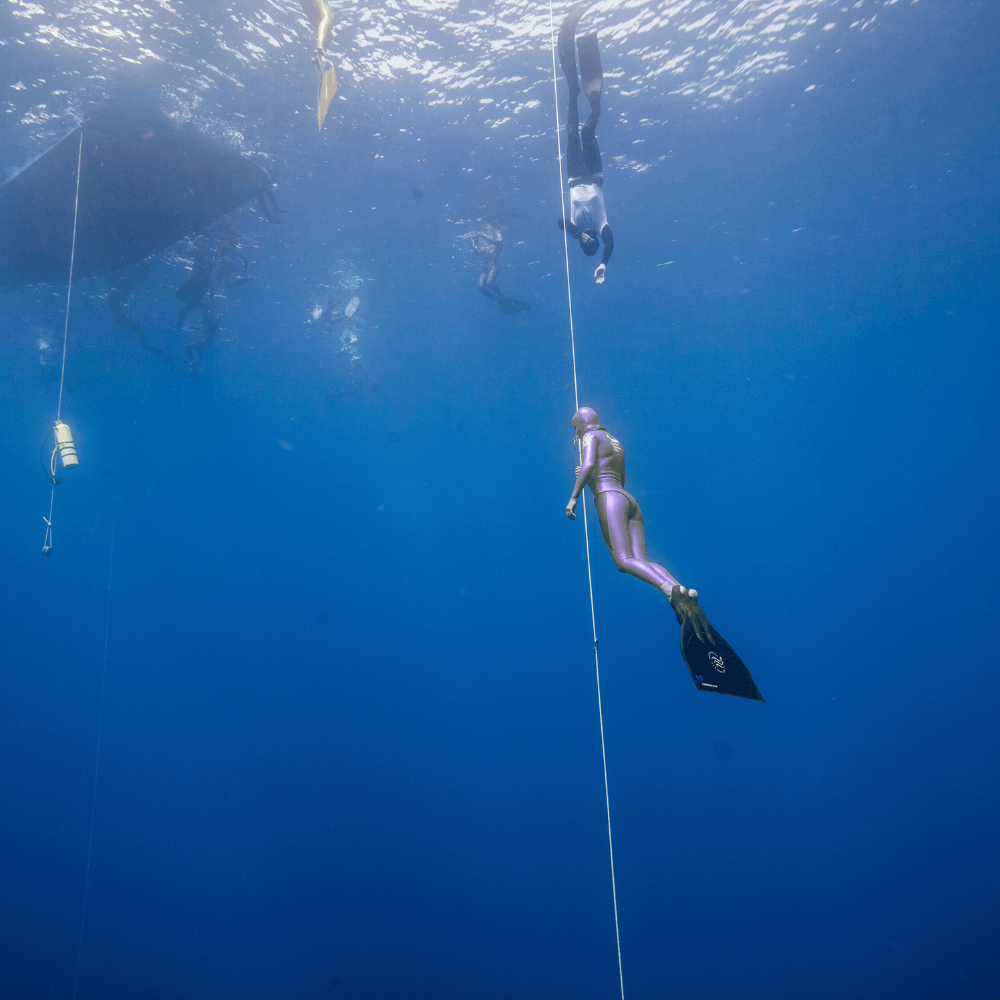
What if you could explore the ocean, dive beneath the surface, and experience complete silence all on a single breath?
No tanks. No heavy gear. No bubbles.
That’s freediving.

Freediving is often described as a sport of relaxation. From the outside, that makes sense – freedivers often move slowly and appear calm and quiet in the water. We breathe up, become still and slip beneath the surface with an unusual ease.
But that is only part of the story. Yes, freediving requires relaxation. Tension wastes oxygen, and panic affects our body and our mind. A tight jaw, a busy mind and unnecessary muscular effort can make a dive harder than it needs to be. So yes, relaxation matters.

As freedivers, we train to tolerate the discomfort of diving without breathing. We practise staying with this discomfort and learn not to react when the sensations arise. We fixate on how we can “increase our comfort zone” or “push our limits” because this is the nature of our sport.
So when things don’t go according to plan, we often reach for a single word: fatigue.

At first glance, a freediving lanyard looks like little more than a leash — but there's a lot more going on than meets the eye.

In Part I of How to Build an Effective Dry Routine for Freedivers, we talked about the importance of dry training in your regular routine and how to classify the different aspects of freediving training. You also had some good routines to start incorporating into your regular training. Now, we will talk about more advanced routines that are essential to evolve as an athlete and as a freediver.