

Latest
The time has come! You’re a certified Lap/Wave 1 freediver (or equivalent from another agency) and ready to continue your freediving journey to become a Lap/Wave 2 student. You want to increase your chances of success and make sure you can absorb all of the new information, but you aren’t sure how to do it.
Continue reading

Hello, freedivers! It’s Asja Kleshchevnikova and Kristina Zvaritch again, and we will continue reporting to you on the freediving marathon. The CMAS Freediving Indoor World Championship concluded on June 15th, and on June 20th, the first competition day of the 28th AIDA World Championship begins. Most of the strong athletes moved from the pool in Belgrade to the pool in Burgas, this time to compete according to AIDA rules.
Continue reading
Hello freedivers and those who dream of becoming one! My name is Asya, as some of you may already know from the sports reports on molchanovs.com last year covering the CMAS Freediving Indoor and Outdoor Championships, Vertical Blue, and other remarkable freediving competitions. This year, on behalf of the Molchanovs International team, editor Kristina Zvaritch and I are cooperating with CMAS to report on the 2022 CMAS Freediving Indoor World Championship on CMAS social media.
Continue reading
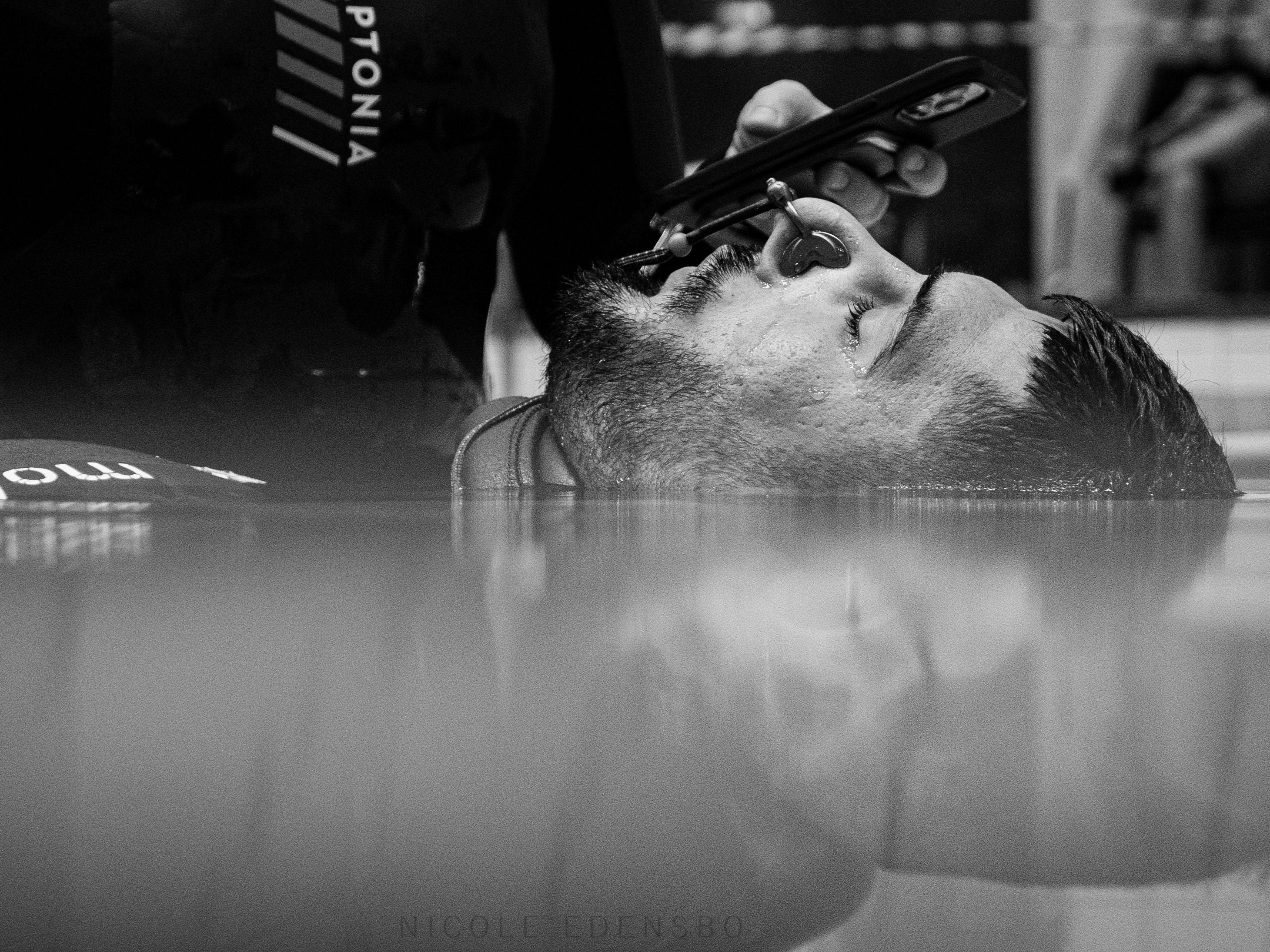
Static, or a breath-hold at the surface of water that is absent of movement, is one of the easiest disciplines for freedivers to train. However, when we say “easy,” we don’t mean that it’s simple to reach long breath-holds - many freedivers find static (STA) especially challenging due to the mental aspects of facing contractions for a prolonged period of time. But STA is definitely the easiest discipline for a freediver to train simply because all you need is a pool and a certified freediving buddy - and if you don’t have those, you can simply train on dry land, or even from your bed!
Continue reading

Freedivers who are already familiar with Molchanovs Base Training know that it is a program individually crafted for different levels of freedivers that help them progress to better equalization, longer breath-holds and distances in the pool, and deeper depths. While taking a freediving course is the first step on your freediving journey, training between courses is where progress really happens - that is why Base Training was created.
Continue reading